Category Archives: music

Songs I Like #5: Saturday Looks Good to Me, “You Work All Weekend”

The windshield a sheet of luminous bugkill and dirt, my friend Andy and I crept in sunset-blinded traffic into Austin eleven years ago last month playing the record “You Work All Weekend” comes from, All Your Summer Songs, and talking about nostalgia.

You know, nostalgia, the feeling we feel we should feel. None of the revolving indie-pop recruits of Saturday Looks Good to Me, nor the band’s songwriter, sole consistent member, and worst singer, Fred Thomas, were alive in the summer of 1965, and they don’t exactly strike poses as if they were. But their lyrics are still saturated with nostalgia– for the dying cities of their Michigan home, for falling asleep in headphones, for sitting on the porch, for being 23 and in love– and their music sounds like 1965. This means guitar pop and Motown (speaking of Michigan) soul, all played with school-dance-y joy and given a busted, dubby production that sounds like it took a lot of cassette tapes to master. So the music seems to be looking backwards.

There’s nothing arch or Rushmore-y formal in this backwards orientation: there’s too much poverty and honest heartache in this record, the kind of 23 you spent smoking cheap cigarettes and working all weekend, in love or not. But the raggedy singers and washed-out, hissy sound signify affection and throw the prettiness of the whole thing into relief. These kids remember, even if they weren’t there.

Comments Off on Songs I Like #5: Saturday Looks Good to Me, “You Work All Weekend”

Filed under music

2014

A few of these folks (*’d) have wonderful work not available on Spotify. For everybody else, I made a 25-song playlist of album cuts and single songs I loved this year. I would talk to you for an hour about each song here. Hope you enjoy.

Albums: “they love you with the lights on”

NME C86 reissue. As bottomless, joyful, inconsistent, and generative as an old K Records cassette. Not on Spotify, though I found an alternate mix of a favorite from it (Primal Scream’s “Velocity Girl”) and appended it to the playlist.

kelisThe Afghan Whigs, Do to the Beast. At 18, I got my wounded, hypertrophic masculinity and songs-as-music-criticism craft fix from Elvis Costello. Now, I’m done with Elvis Costello, and now, I love Greg Dulli’s alpha-wolf howls, his detailed arrangements, and his songs’ top-heavy tension. When the playing’s at its best, I hear Bruce Springsteen, Muscle Shoals, and the Jam. When I can understand Dulli, I get the sense that people with guns give no shits and that love remains bad news.

Black Belt Eagle Scout, Black Belt Eagle Scout. Katherine Paul’s solo set as Black Belt Eagle Scout was my very favorite from a great Unknown Music Festival this summer.

Ian William Craig, A Turn of Breath. Music to watch an angel rot to.

Donato Dozzy & Nuel, The Aquaplano Sessions. Not “Neel,” Dozzy’s partner in the summer-midnight-river perfection of Voices from the Lake, but “Nuel,” whose palette seems more cityish and who pulls the album apart into a sequence of sketches. These Sessions feel more like watching headlights cross your ceiling than like watching eelgrass stirring around your ankles.

Lori Goldston, Creekside: Cello Solo. Prayerful, brittle, fragmentary, imagistic, assertively scrapey.

Nicholas Krgovich, On Sunset. A 1980s LA album that feels meticulous but never thin or “just” retro. Krgovich is omnivorous and puts loving detail into every song; to create his effects, he works his voice hard, straining at the limits of his vocal instrument. A vibes album instead of a songs album.

jonlangford* Millie & Andrea, Drop the Vowels. Feeling post-industrialized, memory-addled, machine-eaten and after-midnight-y myself, I’ve wanted to love the music being made by dark techno/ambient folks like Raime, Andy Stott, Demdike Stare, Haxan Cloak, and Actress more than I have. The Caretaker’s wintery moods bore me after a few minutes (except on that ravishingly beautiful record). Tim Hecker’s synth-and-chamber explorations are too hellish for me to put on in any but specially nasty moods. But Drop the Vowels, a collab between Miles from Demdike Stare and Andy Stott, is the best movement-music I’ve ever heard come out of this scary aesthetic: it quavers, pulses, and squirms like a body, and still chatters, clangs, and moans like a decaying machine. My favorite song by these dudes, and their funnest, is last spring’s single-side 12″ promo-only track “Stage 2,” but the rest of this record, especially the dreadful “Temper Tantrum” and the title track, comes close. This is dance music.

New Pornographers, Brill Bruisers. “I like these guys’ music better than their songs,” Cait said once, when the ragged ardor of openers Okkervil River made the Pornographers seem fussy and buttoned-up by comparison. I agree: Brill Bruisers is the first record of theirs where the camaraderie and energy of each song win out for me over the craft and professionalism of the whole thing. Even the mic-swapping adds something to this: each of their singers show up everywhere. Its mix is blocky, oxygenless— I couldn’t imagine a worse record to listen to on vinyl— and just right for its joyful, loud, and indomitable songs. Put it on for these dark, rainy mornings we’ve got and you’ll feel much better.

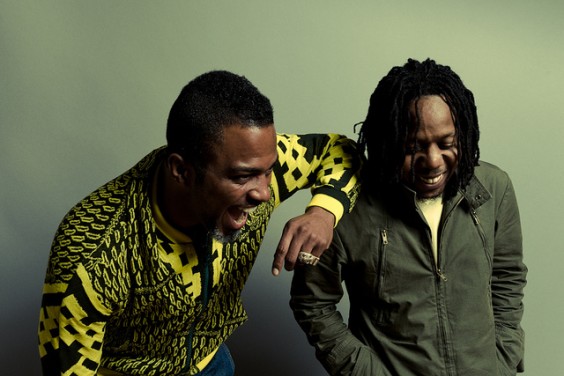
Shabazz Palaces, Lese Majesty.

Sleater-Kinney, Start Together. The “importance” of this band has been so well-documented that I don’t want to say too much more. Like the Clash, they believed in rock ‘n roll, so much they wrestled it back and found a political form for its macho heroics and heedless energy. I loved the conviction and tight entanglement of their performances even though, after The Hot Rock, they adopted a political language that I connected with less than the personal language of the first records. Onstage, they never looked comfortable when they weren’t playing; when they were playing, I couldn’t imagine anything more powerful.

Songs: “I’m everywhere like gossip”

Basement Jaxx, “We Are Not Alone.”

E-40, “Yellow Gold” (feat. Droop-E and Work Dirty). I’m sure if I spend another week or two with 40’s monster Block Brochure trilogy I could spin off a dozen favorites that might compete, but this one is my shoo-in.
shabazz-palaces

FKA twigs, “Two Weeks.” Someone talk about this with me: We live in a sexualized-as-hell pop culture that nonetheless has almost no room for female sexual subjectivity. From straight porn to hits radio, our mainstream cultural era is one where sex is something that happens to women and that accessorizes male power. Which makes “Two Weeks”— hungry, pent-up, powerful and teeming— a rare monster of a song: a woman’s experience of sex and appetite that should terrify anyone used to, say, “Anaconda” or “Body Party.” “Feel your body closing, I can rip it open / Suck me up, I’m healing,” she sing-whispers as the song piles up, then: “Motherfucker, get your mouth open, you know you’re mine.” The need runs both ways.

Game Theory, “Date with an Angel.” More collegey 80’s pop reissued.

Ariana Grande, “Problem” (feat. Iggy Azalea). Triumphant like “Ladies First” was when I was ten years old with a Walkman.

How to Dress Well, “Precious Love.”

Kelis, “Jerk Ribs.”

Jon Langford & Skull Orchestra, “Sugar on Your Tongue.” A poem.

Lydia Loveless, “Really Wanna See You.” Her group rocks out in a way that feels bar-band-y and anonymous, but her vocals throw her heart all over me. This is my favorite on a record that’s emotionally wrecked, sexually frank, and spiritually inexhaustible.

* Miguel, “nwa” (feat Kurupt). The leadoff from a free surprise year-end EP right here.

The Moles, “Accidental Saint.” The first I’ve loved from this arch and classically-pop 80’s indie group whose work was reissued this year.

Ought, “Habit.”

Rae Sremmurd, “No Flex Zone.”

lydialovelessReal Estate, “Talking Backwards.” Their mellow loneliness, their bland-ass name, the tunes rolling by indistinguishable as hedgerows, the drinks-on-the-patio calm of the vocals: everything about Real Estate brings out my anti-suburban prejudice. But when I love one of their songs, I want to live there, begrudging it less the longer I stay.

Run the Jewels, “Close Your Eyes (and Count to Fuck)” (feat. Zack de la Rocha).

* Joan Shelley, “Electric Ursa.” C.D. Wright-style folk, every weird little lyric more like a touch than an image.

* Shura, “Just Once.” Another song of a woman looking: vulnerable, hungry, her you sometimes the man she’s leaving behind, sometimes the anonymized man who’ll help her get lost. If you want to buy something by this shy-looking Londoner, good luck; all I found online was her Soundcloud.

Kate Tempest, “Marshall Law.” I haven’t been as riveted by a rap story song since “Shakey Dog.” Likewise incomplete– the first chapter of a novel-as-record I haven’t heard yet– and likewise overflowing with detail, Ghostface’s “tartar sauce on my S Dot kicks” chiming against Tempest’s “free bar, exhausting decorum, he drank till she was so absorbing.” Do yourself  a favor and listen to this one, just don’t tell me how the record ends.

Tinashe, “Bet” (feat. Devonte Hynes).

Jessie Ware, “Champagne Kisses.” The way she teases the listener out of getting the chorus one last time just kills me. This song soars.

Wild Cub, “Thunder Clatter.”

Jamie XX, “Girl.” The first song of this year I loved.
Comments Off on 2014

Filed under music

E-40: Just a Little Ahead of Shakespeare

What makes a masterpiece? As outlets like Pitchfork have taken an increased interest in rap over the last decade, the big culture machine that used to be called “indie” has increased its influence over how non-“urban” (black and mostly working-class/working-poor) audiences have experienced rap. One of the best internal reflections and critiques on the role that classics-hunting tastemakers play in black popular music was, actually, published in Pitchfork a few years back, zeroing in on the cult of the “masterpiece.” Author Andrew Nosnitsky starts with the rapturous reception of Nas’s Illmatic (“an undeniable masterpiece, but… also a pretty narrow one”). He then examines how its self-consciously serious, introspective tone set a template that other rappers out to make “masterpieces” (i.e. big, era-summarizing albums that a major label will keep in print after singles, mixtapes, and one-offs have slipped into history) emulated.

I loved this article, and it interested me how tough it was find to find (a fate shared by many of Pitchfork’s other long features) behind the site’s main business: its daily grindout of reviews. These reviews, by the way, include the anointing of further classics, on exactly the lines that Nosnitsky identifies. Pitchfork’s lately given retroactive perfect-10’s to objet-d’art reissues of GZA’s Liquid Swords and Illmatic itself, giving the reviewers the chance to write rhapsodic (“The doors crumple open and the passengers vanish up half-lit stairwells into the Bridge. There is no Illmatic without the Bridge. Illmatic is the bridge”) odes to albums built for exactly that kind of Serious Appraisal.

I’m laughably poorly versed in rap and I don’t want to sound like I know enough to hazard an alternate history of the genre, but there are some rappers I love whose virtues have nothing to do with those of Liquid Swords and Illmatic— rappers whose voluble, good-times-y energy and omnivorous love of street sounds mean that their music will never get distilled into an Authoritative Statement, a statement that they’d likely be bored by anyway. Like E-40.

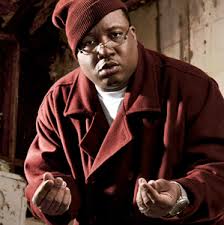
e40In the last two years, this 46-year-old rap forefather has dropped eight albums of material. His vocabulary is enormous (according to one survey, 5,270 unique words used in 35,000 lyrics– just a little ahead of Shakespeare), and his gift for slang is jawdropping. Remember learning that Shakespeare straight made up the words champion and discontent? Well, without E-40, the world wouldn’t have “fo shizzle,” “po-po” for police, “it’s all good” (!), “you feel me” (!!), “pop ya collar,” or “lettuce/scrilla/cheddar” as slang for money. (40 himself is modest in interviews, saying many of these terms came from his community in “San Yay” (the Bay Area), but damn, someone had to record them first.) 40 has a cheerful, elastic, bubbles-in-syrup voice and drops at least one amazing line a track. The production on his latest four or five records, the first I’ve been able to find my way into, is sometimes basic (“function music,” he calls it, flashy and fun when it’s not minimal and street-creepy), and his young guest MCs sometimes come off as too tough-kiddish for me to enjoy. But it’s the overall, overwhelming, cumulative experience of E-40’s music, the humanity and humor and unkillable spirit and obsessive detail in song after song, that I love best.

Here are a few tracks:

“I Don’t Work for Nobody” (from his double album with Too $hort):

“All I Need” (the giddy affirmative closeout to the first of his four independently-released Revenue Retrievin’ albums):

“That Candy Paint,” with Slim Thug and Bun B (speaking of detailing, here’s the chorus: “that candy paint, 84s, belts and buckles, chrome and grille / Leather seat, stich and tuck,TV screens and wooden wheels”):

Comments Off on E-40: Just a Little Ahead of Shakespeare

Filed under music, politics

Songs I Like #4: Marshall Crenshaw, “She Can’t Dance”

I like to tell myself that if I was eighteen in 1982, I would have been a hardcore kid licking envelopes in Ian MacKaye’s mom’s house and buzzing my hair with my dad’s beard trimmer. But I think the odds are good I would have actually been a skinny-tie, Buddy Holly-Sam & Dave-Desmond Dekker-Brian Wilson mod sweating in his black coat and working out Rickenbacker guitar tones in my apartment.

If that had been my life, I would have probably killed Marshall Crenshaw out of jealousy. As it is, 30-year-old me now just gets to throw my whole body around with joy at his precise, tuneful 60s-ish guitar pop, and bother all my friends who probably already know “Someday, Someway” from New Wave Flashback radio. Crenshaw is, naturally, a nerd (dig his taste in covers: Arthur Alexander, Chris Knox) who is lucky enough to live out his dream, and “She Can’t Dance” is sheer giddy pleasure, nobody’s idea of formalism, with a middle four-then-six that satisfies me as much as any (see here how he brings out my inner nerd with how happy he makes me) small flourish in a pop song ever has: I think of Paul’s harmony on the verse of the Beatles’ “I’ll Get You” or those monster low horns that enter on the second verse of the Ronettes’ “Why Don’t They Let Us Fall in Love.”

Marshall Crenshaw hit at a weird time in rock radio: disco was dead but MTV hadn’t brought the New Romantics to the US yet, and anything– even punkishly trad ooh-baby rock ‘n’ roll– felt possible. But Duran Duran showed up six months later, and Marshall Crenshaw was buried (just as, ten years after, Matthew Sweet’s Girlfriend was buried by Nevermind), leaving an alternative path in rock’s evolution largely unexplored. Till then… Livin’ only for the sound! Nerd up.

Comments Off on Songs I Like #4: Marshall Crenshaw, “She Can’t Dance”

Filed under music

Songs I Like #3: Bjork, “Heirloom”

“She’s figured out how to get by just on being cute,” my painfully cool friend Dion informed me that summer 13 years ago when Bjork’s Vespertine came out. “Not quite worth the wait,” sniffed Pitchfork. Like Patti Smith’s Dream of Life (dare I see the beginnings of a sexist double standard for home-and-family records?), Vespertine was called oversweet, overpretty. it marked the first time Bjork was identified with a schtick instead of a sound, as if the album’s distant chirring drums and choral suspensions were any less rich than the raspy cellos and oceaning pound of Homogenic, her previous.

But Vespertine remains the Bjork record I like best. It’s a home record, a sex record, a dream record: gathering ripe black lilies. Climbing a tree’s private branches. Waking up with your lover still inside you. Taking the sun in your mouth. Tilting your head to get an angle on the day. Repeating “I love him” eight times. Vespertine still smells like mildew for me, Nivea, coffee, oven-roasted vegetables and old carpets: the place in the north U District (the basement of a house packed with bitter, high-strung ultimate frisbee players) I shared with my college sweetie where we played Vespertine every day. I remember making love to this record, having pointless fights, hosting our parents in a tiny shouldn’t-have-been-there basement kitchen.

Vespertine‘s movement feels like my memory does: inward-and-down, not forward-and-up. There’s no epiphany like Post‘s “Isobel,” or screaming blowout like Homogenic‘s “Pluto,” only a slow descent toward unity. It sounds like I felt when I was deep in love. It also sounds like I feel now on days of, say, feeding ducks with my toddler, squeezing in a prayer in front of a candle, waking up early enough that I can write my dreams down. This song is my favorite, a dream (speaking of) I grasp without understanding.

Comments Off on Songs I Like #3: Bjork, “Heirloom”

Filed under music

Songs I Like #2: John Fahey, “When the Catfish Is in Bloom”

Some lonely pre-internet scholar stranded at the Evergreen Branch Library on Highway 99 in Everett filled the CD shelves there with shit I took years to love enough. When I was thirteen, I tried, then decided I hated, the Pixies, Husker Du, Kate Bush, the Incredible String Band, Wayne Shorter, and John Fahey. When I was fifteen, I tried all of these artists again, and this anonymous music librarian cracked my heart open. The solo guitar views, prayers, and stories of The Essential John Fahey (actually just two of his Vanguard albums on one CD minus a tape-loop experiment) soundtracked my Seattle busrides and first terrible poems. And his namecheck was my cool-kid ticket to my first volunteer shift at the Zine Archive and Publishing Project in Seattle (did you know, one librarian told me, that he was a Christian? and drank four liters of Coke a day, added another? and was apparently mean, said someone who claimed to have met him?) in its golden-years radical infoshoppy location in Hugo House’s funky basement. I was alphabetizing hardcore zines alone and playing this CD loud when this song– the way its blood starts moving faster and faster, that swift 8th-note figure at 3:25 maybe?– made me suddenly stop what I was doing, sit up, and listen. You know those times where a work of art explores you instead of the other way around? I later spent a month-ish first figuring out the tuning for this song (it’s open C), then learning how to ‘play’ it (in the way a duck might observe a conductor’s arms moving and flap his wings in sympathy). Ask me to show you how it goes!

The title is, I think, a non sequitur Jimmie Rodgers pun; the story is all and only in the stately melody slowly adding tension, speed, and ornament up through that mic-saturating breakdown at 6:02.

Comments Off on Songs I Like #2: John Fahey, “When the Catfish Is in Bloom”

Filed under music

Songs I Like #1: John Coltrane & Johnny Hartman, “You Are Too Beautiful”

The year my first serious relationship ended, I moved into my grandma’s condo on Queen Anne and would rumble home after midnight four nights a week from my line-cook job on the 1 bus. My company was addicts reading paperbacks and hollow-eyed yuppies gazing out the window. In the ride’s half-hour-plus, I could usually get through all of John Coltrane & Johnny Hartman’s 1963 record, my head pressed to the bus’s rattling plexiglass. Hartman, a pick-to-click who never quite clicked (Tony Bennett had endorsed him as his favorite singer to no effect, just as Sinatra had done for Bennett five years earlier, making him a star), has a warm baritone. His voice should go with Trane’s playing like chocolate with frozen chicken, but the pairing is actually wonderful: Coltrane’s voluble, complex style keeps Hartman from getting too sugary, and Hartman’s relaxed, reflective voice gives Coltrane’s quartet a place to stretch out from. Besides, this song killed me, like lost-love songs do when you’ve just lost love. The lyric’s restraint was what I yearned for, its longing what kept me sleepless that whole first sad six months.

Comments Off on Songs I Like #1: John Coltrane & Johnny Hartman, “You Are Too Beautiful”

Filed under music

2013

Here is my favorite music from 2013*! It comes with a Spotify playlist**. Enjoy!

*: The end of the year music-rush as tastemakers share their own lists and I listen listen listen always has a slightly sad-sex quality, appetite dulling taste; there’s lots of music I’m loving now that I’ve only learned about in the last two weeks and hence can’t get far enough from to see how long I’ll keep loving it. Sorry, Perfect Pussy and Earl Sweatshirt! Look for another music post in a few months.

ALBUMS: “losing the fight”

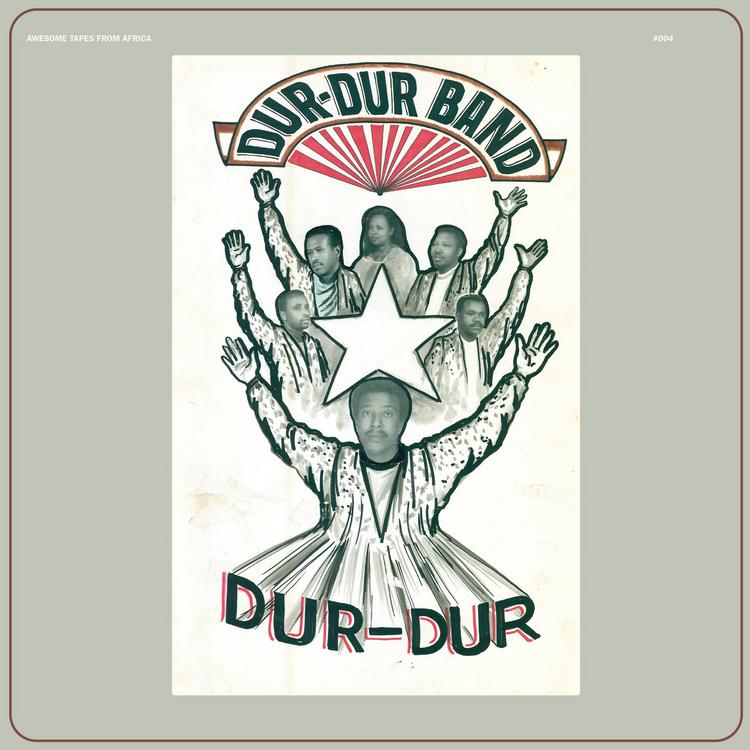
loverswithoutDur-Dur Band, Volume 5. A cassette from Mogadishu’s premier pre-Civil War dance group, put out by the blog Awesome Tapes from Africa, who shares rips of its found cassettes free until their owners come forward. Then, ATFA prints physical copies and splits licensing to bring the music back into print. I know diddly else about horn-of-Africa music, but the feel here is hard funk with the effortless glissando and odd scales I associate with Zanzibar’s big band pop.

Foxygen, We Are the 21st Century Ambassadors of Peace and Magic.

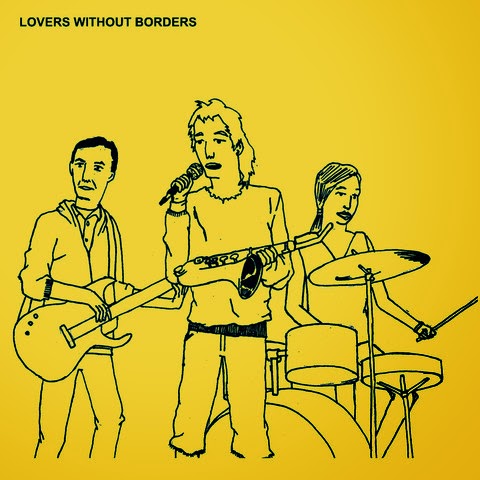
marlingLovers without Borders, Detective (International Pop Underground #142) and “Stuck inside Port Townsend” b/w “Man Vacation.” As a sideman, Karl Blau has anchored stellar records by Earth, Your Heart Breaks, and the Microphones, and live, he’s wooly, daddish, and way fun, but I’ve never loved his solo recordings: Zebra felt overhoned and deoxygenated, and Shell Collection and the KLAPS self-bootleg series too kitchen-sinky for me to play again. But this single and little EP (made with Jessica Bonin and Alex Parrish) might be my very favorite pieces of indie spirit I’ve heard all year. I don’t know who writes what, but Blau’s warm flexible voice is perfect for the hooks and the music is so fun I want to run out and have them over for soup. I can’t stop playing these.

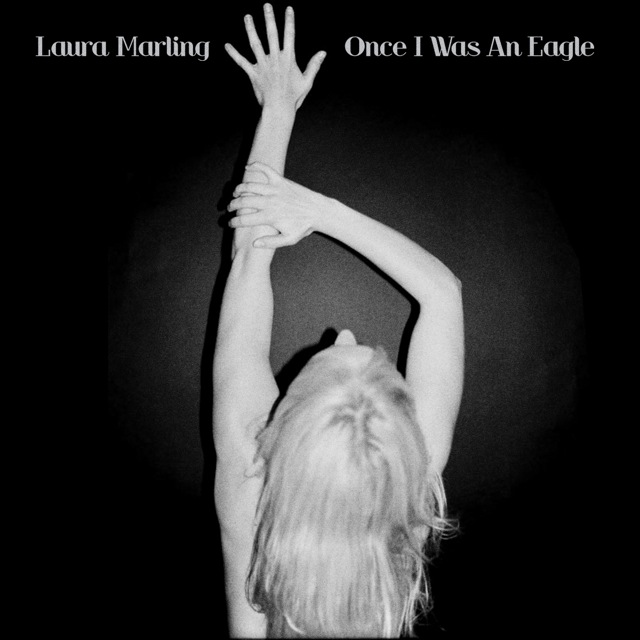
Laura Marling, Once I Was an Eagle.

Nacho PicassoHigh & Mighty. “Syrup in my limeade / Cheer up, child, crime pays.” His kingdom extends from his recliner down Rainier Avenue: drama without anxiety: punchlines with gravity.

jag185.lpjacket11439Retribution Gospel Choir, 3. Two side-long songs. “Can’t Walk Out” is a big slow-slashing pounding monster, but “Seven” is even better, like watching a stormcloud break up into sunlight. My favorite new soulshake since Mount Eerie’s Ocean Roar.

Rhye, Woman. Mike Milosh, the angelic countertenor who fronts Rhye, starts the record with “I’m a foooooool for that shake in your thighs,” and goes on to float, all patience and reverie and restrained desire, over this album’s clean pulse. The record is sexy without Milosh’s appeals and dreams reading macho; he makes me think of Sade. I filed Woman as background makeout and work music until I played it for the tenth time for just me.

rhyewomanSuper Mama Djombo, Festival reissue. I’ve wondered for years if I’d find music from Portuguese-occupied Africa with just this sort of flowing melancholy sensuous energy. An ex-Boy Scout troupe ensemble from Guinea-Bissau– a country almost destroyed by the spite of its ex-colonial masters and the murder of its leader-to-be, Marxist intellectual Amilcar Cabral— sing (what I’m told are) anti-imperialist reflections and lover’s yearnings over music that I’d say reminds me of fado, if that didn’t get the line of influence backward.

Wishbeard, It’s All Gonna Break EP.

SONGS: “Wrapped up in my space lover cocoon”

A$AP Rocky, “Fuckin’ Problems” (feat. 2 Chainz, Drake, Kendrick Lamar). Face it, I told myself, this record is bursting with charm, obscene self-assurance, and invention. This tune tore the floor up at Lick last month.

Autre Ne Veut, “Play by Play.” This like last year’s “Constant Conversations” makes me wonder if agony what white dance-raised tinkerers will mainly bring to their 90’s R&B remakes: as a white tinkerer myself I can relate.

Neko Case, “Nearly Midnight, Honolulu.”

Cassie, “Sound of Love” (ft. Jeremih). The bedroom song of the year. Not on Spotify.

Chvrches, “Gun.”

Bob Dylan, the demo of “Went to See the Gypsy” on Another Self Portrait.

Grouper, “Cover the Long Way.” From a collection of guitar-and-singing as opposed to loops-and-whispering recorded in 2008.

Haim, “The Wire.”

Low, “Just Make It Stop.” Like the Mekons and unlike, say, Galaxie 500, they’re living solders instead of dead legends. This year’s Invisible Way, like most of their records, is great in places. This one, featuring Mimi, is my favorite.

M.I.A., “Bring the Noize.” Rapping her ass off.

Janelle Monae, “Dance Apocalyptic.” My sweetie’s line is that she links everything about Janelle Monae– funk, futurism, virtuoso-everything– except the whole thing. I agree: her records can feel overworked for me, too heavy for flight. But with exceptions, such as this morning babyjam.

Mountains, “Propeller.” The emotional force of this buzzy bright landscape increases by the square of the volume: turn it up.

Phosphorescent, “Song for Zula.”

Robert Pollard, “Airs.”

Nathan Salsburg, “First Field Path.” The world of solo guitar is so dominated by disciples of John Fahey— chilly, Bartokish tunes and Mississippi-style slide played three-over-two— that Nathan Salsburg’s record, grounded in Anglo-American ballad-style playing, was a breath of fresh air, restrained and graceful and full of stories. The opener is my favorite. Not on Spotify.

Marnie Stern, “Year of the Glad.” Listen to those first five seconds: what’s guitar, what’s voice?

Laura Stevenson, “Runner.”

Justin Timberlake, “Spaceship Coupe.” When we drop the needle and JT sings, “There’s only room for two,” my housemate Alex asks, “–Wait, who are you bringing?” before JT replies, “Me and you.”

Torres, “Honey.”

Tricky, “Is That Your Life” (feat. Francesca Belmonte). Either I or KEXP’s afternoon programming has changed and I’m bored with it more often, but “Is That Your Life,” which popped up as I crossed Georgetown one hot-ass 2 p.m., killed me, the way the bottom falls out of the groove for a fraction of a second, the way Francesca Belmonte’s sweet, threatening vocal line closes in.

Kurt Vile, “Wakin on a Pretty Day.” An ordinary miracle of a song. This summer, my music life-partner Andy sent me a mix starting with this one and I was pleased by the first four minutes, totally disarmed and moved when it went amblingly on for another five.

**: I was looking forward to hating Spotify until our house bought an account and I found it impossible to resist. They pay artists pennies a month, but if I buy more music because of it (and I do, shit-tons more), my conscience abides it. What do you think?

2 Comments

Filed under music

Who Get to Be the Heroes of Indie Rock?

Last month I finished my third-ish read in twelve years of Michael Azerrad’s 2001 history, Our Band Could Be Your Life: Scenes from the American Indie Underground 1981-1991 and found more to challenge in it than I expected.

This is a book I love for its nerdy minutiae and its big historical sweep. For its glory-days stories, too: 18-year-old me was over the moon to hear how Husker Du recorded “Reoccurring Dreams” on acid in a desanctified church, how Ian MacKaye ran Dischord Records out of his mom’s house, how Black Flag was so broke early on they ate dog food rolled up in white bread.

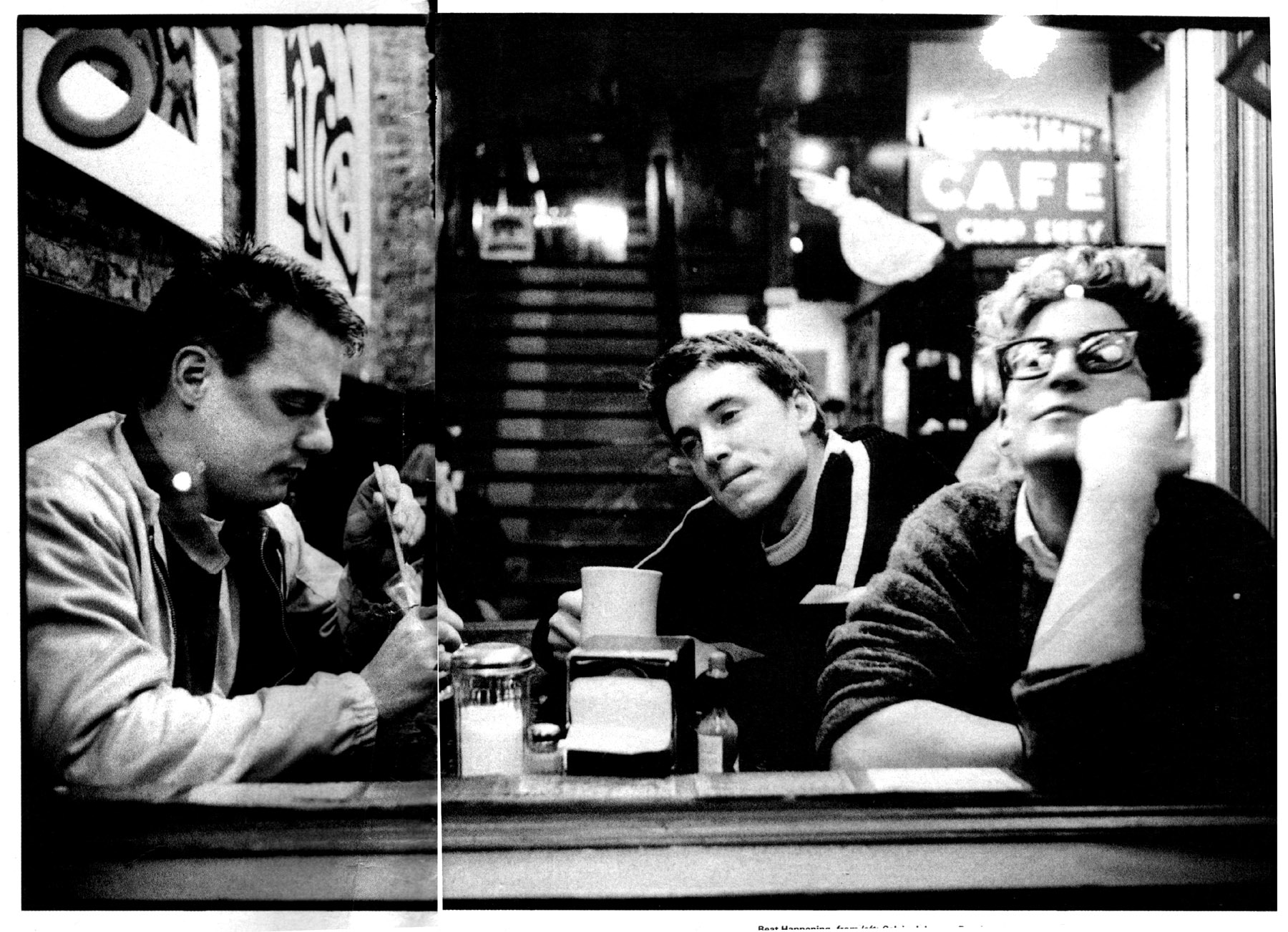
beat-happeningStories of firsts are also always a thrill, even if they were miserable for the subjects: Mission of Burma playing empty bar after empty bar without a radio station in the country that could even make sense of their music, without a community, without anything like a “scene” beyond Boston. I appreciate, too, in a culture as anti-hierarchical as indie, the chance to acknowledge forerunners, the folks whose sweat sprouted into crash pads, friendly basements, left of the dial stations, and make-it-work clubs even if their bands didn’t live to see it.

The book’s decade-long arc is a story of groundbreaking and, simultaneously, cooptation. Bands (especially those like Dinosaur Jr and the Replacements, who liked classic rock just fine) jumped ship to major labels and crumbled. The scenes grew up and split on drugs and rhetoric. Sub Pop was too smart for its own good, creating a scene to sell records that resulted in a nationwide crop of horrible knockoff bands.

barbaramanningAzerrad examines these paradoxes but he leaves others unexamined. I would love to read a history in full of indie rock’s change from being “new redneck” (in, I think, Joe Carducci‘s phrase) music, created by working-class suburban kids in Minneapolis, D.C., L.A., etc., into being the turf of urban, arty, cool-conscious, middle-class kids (like, sort of, me). In passing, Azerrad gives Sonic Youth much credit/blame for the shift. But I want to hear a historian’s perspective on the consequences: the leveling-down of regional scenes, the increasingly collegiate and referential tone of 90s-00s indie (to be fair, this has gone much farther since the book’s publication), and the continued devaluing of the role of working-class and small-town folks in creating culture in general. (The prestige of online need-to-know cultural meatgrinders like Pitchfork, again post-publication, have far exacerbated this as well.)

Though indie rejected rock-god-hood and emphasized a horizontal, collaborative, community-building approach to art, the format of Azerrad’s book (lengthy profiles of thirteen of the biggest, best-known American indie bands of the 80s) goes along way toward building an alternative canon of scene Heroes that, yet again, diminishes certain scenes, groups, and artists, and shortchanges the communities which made these scenes possible. These thirteen groups were overwhelmingly white men; plenty of hardcore punk’s earliest fans were, too. But how would the book have looked different if it had included a chapter on Lydia Lunch, the poet and bandleader, instead of just quoting her concert review of Big Black? Or a chapter on Barbara Manning, the mercurial, outrageously gifted songwriter whose Lately I Keep Scissors has been a touchstone for dozens of later groups? Or, for that matter, Bad Brains? The all-black virtuoso hardcore, thrash, and reggae group from D.C. broadened the musical palette of East Coast punk considerably, smashed the color line around hardcore, and mixed religious and revolutionary exhortations as few other indie groups did.

badbrainsThere is little about the sexism and occasional sexual violence of the 80s indie scene (though we do hear that part of the draw of the Replacements was that “girls liked them”), and Minor Threat’s ugly reactionary rant “Guilty of Being White” (“I’m sorry / for something that I didn’t do / I hurt somebody / I don’t know who”) is defended by Ian MacKaye as being an “anti-racist” song misinterpreted as racist– this from a group who shared the stage with Bad Brains.

Our Band Could Be Your Life is loaded with inspiring stories and gives storytelling room to artists who lived out their political-aesthetic values and make incredible music. But, on reflection, I also see in the book a missed opportunity to tell the story of indie through the lenses of class, race, gender, and local community. Maybe that book is out there, who knows? (Any recommendations?)

1 Comment

Filed under music, politics

In memory of Margaret Thatcher

Comments Off on In memory of Margaret Thatcher

Filed under music, politics